Miles Building & Yacht Delivery
Log real sea miles on professional yacht deliveries and tall ship passages, under the supervision of an experienced skipper.
Build Up Your Sea Miles
Your Sailing Options
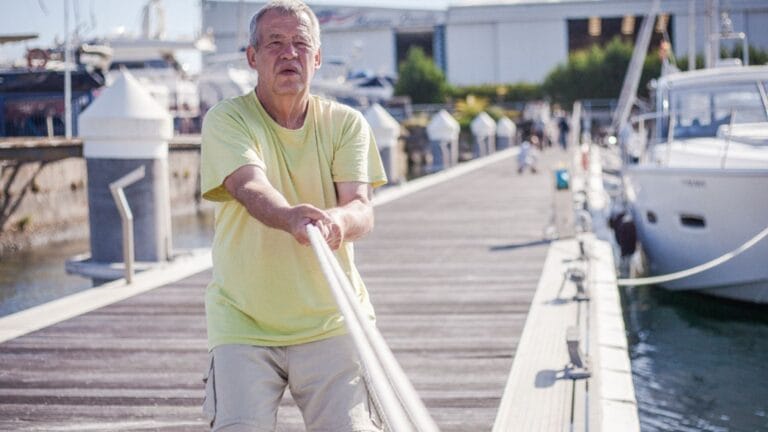
Yacht Delivery Team
Join a real yacht delivery passage to log offshore miles under a professional skipper. Roles, watches and limits are defined before departure.
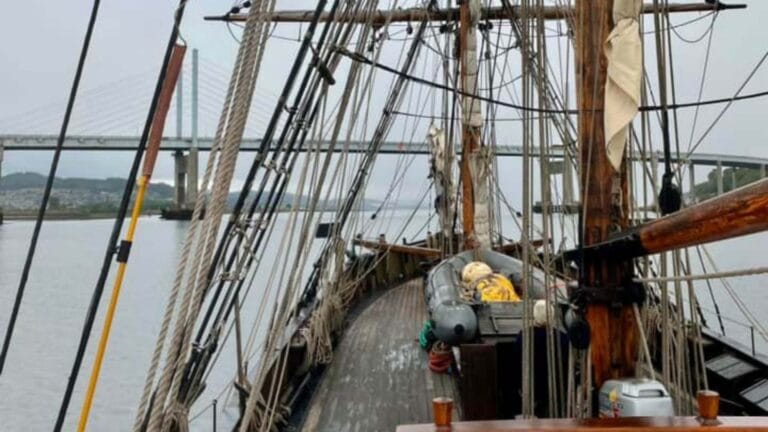
Join Tall Ship crew
Tall ships often provide structured watches and long sailing days, which can help build miles fast. Availability depends on embarkation schedules.

CROSS-OCEAN PASSAGE
Ocean passages are for advanced candidates aiming to log significant offshore miles (e.g., transatlantic). Screening and safety rules apply.
What makes miles building different from standard yacht delivery
In miles building deliveries, the yacht is sailed with a mixed-experience crew. This requires stricter operational rules than a standard professional delivery. The skipper remains fully responsible for vessel safety, while training objectives never override weather limits, technical readiness or risk management decisions.
Miles Building vs Professional Yacht Delivery
| Aspect | Miles Building Delivery | Professional Delivery |
|---|---|---|
| Crew composition | Mixed experience crew (miles-building participants) | Fully professional crew |
| Main purpose | Yacht relocation + logging sea miles | Asset relocation only |
| Skipper focus | Master + supervision of less experienced crew | Master only |
| Risk profile | Higher (because crew experience is mixed) | Lower |
| Wear & tear | Possible (normal operational use during passage) | Minimized |
| Best for | People who need sea time on real passages | Owners who want the safest relocation |
Operational scope of a miles building delivery
Each miles building delivery follows a defined operational framework covering passage planning, watch systems, safety procedures and documentation required for logging sea miles. The skipper defines weather limits, crew duties and decision authority for the entire passage.
Miles building checklist
What route and season (weather profile)?
Who is the skipper and what is the watch system?
What is the minimum required experience?
What costs are shared (food/fuel/marinas)?
What safety equipment is required?
How will sea miles be confirmed in the logbook?
What are the go/no-go limits for departure?

Navigating the night: challenges and skills
Night sailing is a natural part of offshore miles building. Logged night hours are often required for advanced qualifications and help develop watchkeeping, navigation and situational awareness.

Learn from the pros. See the global Yacht Delivery Operations our instructors manage daily
Crew Management and General Duties
Mastering Crew Management
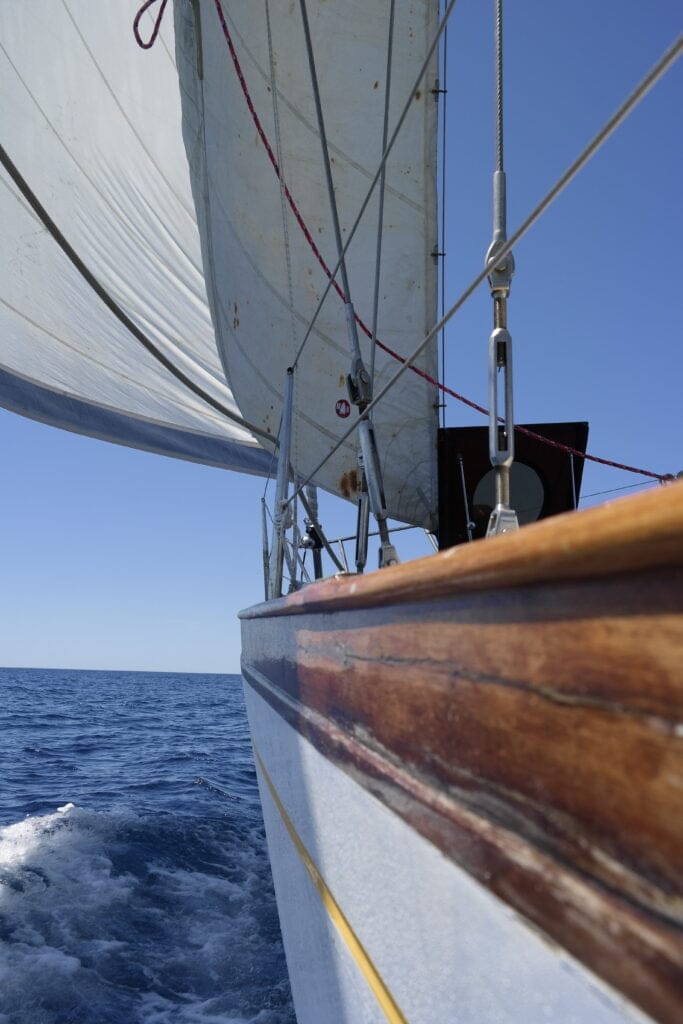
In the realm of meteorology, you'll gain the indispensable skill of interpreting weather patterns to make informed decisions for safe sailing. Understanding meteorology is vital for effective passage planning, whether you're involved in yacht delivery or embarking on a journey aboard a tall ship.
You'll learn to analyze weather forecasts, recognize cloud formations, and anticipate wind shifts, all of which contribute to better crew management and overall safety. By mastering these skills, you'll enhance your ability to navigate through various weather conditions, ensuring a safe and more predictable voyage.
You'll also have a chance to learn more about Old Navigational Instruments. Some of them, like sextant we're still using sailing across Oceans.
popular destinations for Miles Building

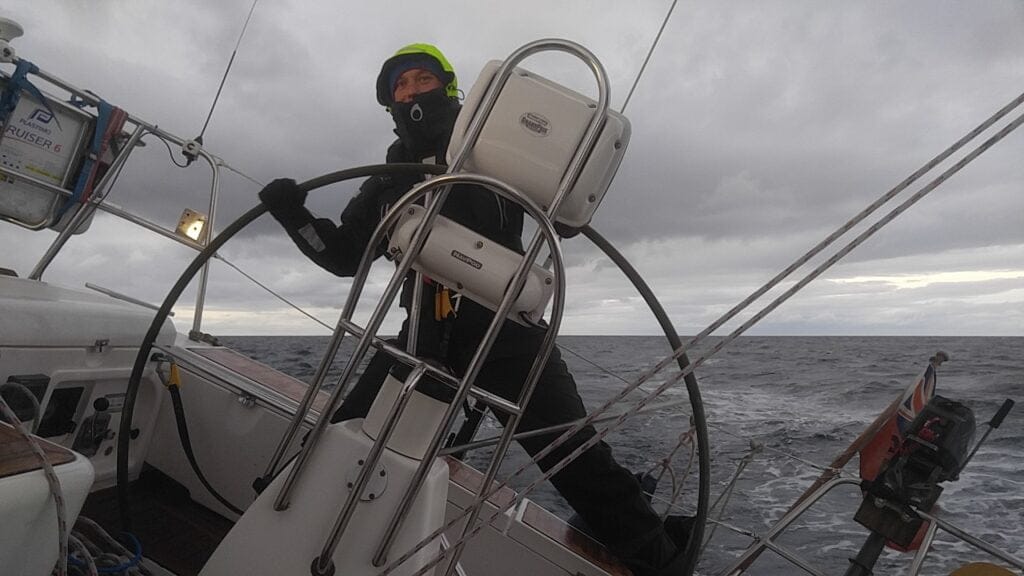
Some of the most popular destinations for miles building include. Each offering unique challenges and breathtaking scenery.
In the Mediterranean, you'll find diverse conditions perfect for honing your miles building sailing and practical skills.
The Caribbean, with its steady trade winds and clear waters, is ideal for those taking sailing courses or aiming for a Yachtmaster Offshore qualification.
The South Pacific, known for its remote beauty, provides excellent opportunities for longer passages, helping you prepare for future adventures.
North Atlantic - Each region offers a sense of community among sailors, making it easier to learn and grow. No matter where you choose, these destinations will help you become a more confident and capable skipper.
Costs Involved
Typical costs depend on route length and what is included. Most miles-building passages involve shared onboard expenses (food, fuel, marina fees) plus personal gear and insurance. Ocean crossings require higher budgets due to duration and provisioning. Always confirm what is included before joining.
Frequently Asked Questions
Discover answers to common questions about miles building, safety equipment, finding reliable opportunities, best seasons for mile building, logging sea miles for certification, and packing for a long trip.
What Safety Equipment Is Essential for Miles Building Voyages?
Essential safety equipment includes life jackets, flares, a first aid kit, a VHF radio, a well-maintained lifeboat, and an EPIRB. Safety is paramount to ensure the well-being of everyone on board.
Check your boat carefuly before sailing. Talk to your skipper to ensure you sail on a safe vessel.
How Do I Find Reliable Miles Building Opportunities?
Join reputable sailing clubs, engage with experienced sailors, and explore online forums. Networking at sailing events and seeking recommendations from seasoned skippers can help you find trustworthy and enriching miles building opportunities.
What Are the Best Seasons for Miles Building in Different Regions?
In the Mediterranean, spring and autumn are ideal for miles building. The Caribbean is best during winter, while the Pacific Northwest shines in summer.
Atlantic East to West time starts in November and ends in April. Opposite way starts in May and finish in August. Each region has its own optimal seasons for sailing.
Miles Building - Service Overview
Miles building is a yacht delivery service where sea miles are accumulated during real passages under the supervision of a professional skipper. The yacht is sailed on its own keel with defined roles, watch systems and safety limits, allowing crew members to log offshore experience while the vessel is relocated. Miles building differs from standard delivery by combining operational sailing with controlled skill development, without compromising vessel safety or passage planning standards.
How Can I Log My Sea Miles for Certification?
Maintain a detailed logbook noting dates, distances, vessel details, and your role onboard. Ensure your logbook is signed by the skipper or an official to validate your sea miles for certification.
What Should I Pack for a Long Mile Building Trip?
Your skipper will tell you what to pack. Don't forget about any specific medicines! Pack your favourite books and food, like coconut milk. Take winter and summer hat, UV blocker and plenty of patience as well. Being well-prepared ensures you can handle any situation that arises during your voyage.
How Do I Prepare My Yacht for a Miles Building Voyage?
Inspect and maintain all systems, stock up on necessary supplies, and ensure all safety equipment is in good condition. Proper preparation is key to a successful and safe journey.
What Qualifications Do I Need for Miles Building?
Basic sailing skills and a thorough understanding of navigation principles are essential. Gaining experience through various sailing opportunities will help you prepare for skipper qualification and the yachtmaster exam.
How Can I Improve My Navigation Skills?
Practice using navigational instruments, study charts, and take advanced navigation courses. Experience gained from night cruising and challenging passages will also enhance your skills.
What Are the Benefits of Miles Building?
Mile building helps you gain valuable sea time, improves your sailing skills, and prepares you for higher qualifications. It also boosts your confidence and ensures you are well-prepared for extended voyages.
Ready to log sea miles on a real passage?
Tell us your preferred region, dates and current experience level. We’ll suggest suitable miles-building opportunities when available on upcoming delivery routes.