Yacht and Sailboat Insurance: What Breaks Coverage During Transport and Delivery
Yacht and sailboat insurance can stop working the moment you change how the yacht is moved or where it sails. This post explains the clauses that most often invalidate coverage during skipper delivery, cargo shipment, and road haulage. It's a part of Yacht Delivery Services posts
This post covers:
- Geographic limits and seasonal restrictions
- Transport vs coverage: skipper delivery, cargo shipment, road haulage
- The most common claim denial triggers (warranties)
This post explains why yacht/sailboat insurance can fail the moment you change the way the boat is moved (skipper delivery, cargo shipment, road haulage) or where it sails. You’ll learn what insurers treat as “normal navigation”, what is usually excluded during transport, and which warranties most often trigger claim denial. Use it as a checklist before you move the yacht - so you fix exclusions before a loss.
What yacht insurance actually covers?
Exploring the complexities of sailboat insurance coverage options requires a detailed understanding of the risks you're likely to face on the water. Liability coverage is essential as it safeguards you against claims from third parties for bodily injury or property damage.
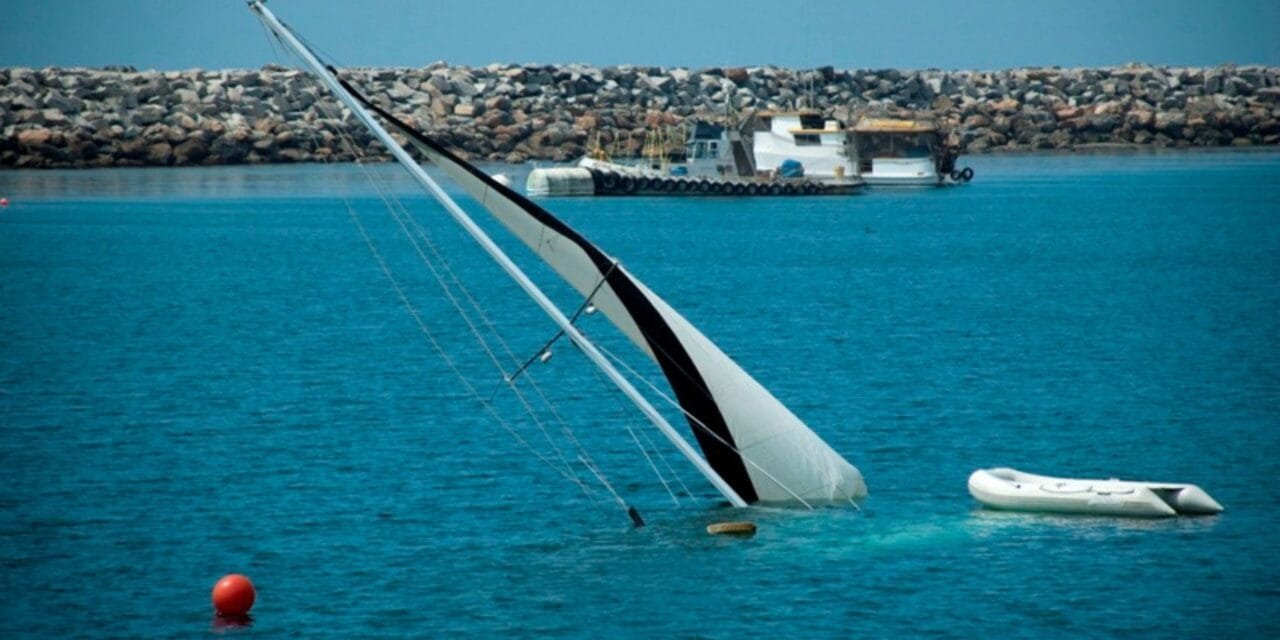
Physical damage coverage protects your boat from perils such as theft, storms, sinking, and collisions, ensuring thorough protection.
Tailored coverage allows you to customize your policy to meet your specific needs and protect your investment. For instance, you can add personal property coverage to secure belongings on board or medical payments coverage to address any medical expenses arising from accidents. Enhanced physical damage coverage can give you peace of mind by covering various potential threats.
Additional coverages can further enhance your policy. Consider options like watercraft towing, which ensures you're not stranded if your boat breaks down, or fuel spill coverage, which addresses environmental cleanup costs.
Wreckage removal and emergency services coverage can also be vital in mitigating significant financial burdens during unforeseen events.
Main Types of Boat Insurance
Yacht insurance policies are usually written for normal navigation, not for transport or delivery scenarios. When the method of moving a yacht changes, insurers often reassess the risk, which can limit or exclude coverage even when the owner assumes the policy remains valid.
Hull / Yacht insurance (partly losses + total loss)
Personal accident (death / injures)
Third party liability
Skipper liability
Only the yacht owner can insure the vessel itself. Skipper insurance is separate and does not replace hull cover.
Geographic limits and seasonal restrictions in yacht insurance
- Area limits - like "sailing up to 10 degrees West"
- Seasonal limits - like Bay of Biscay during Winter
- Country limits - like "expect Haiti and Somalia waters"
These geographic and seasonal limits become critical during yacht delivery or transport, where even a short deviation from the declared area can invalidate otherwise active insurance.
Why yacht transport and delivery affect insurance coverage
Yacht insurance policies are usually written for normal navigation, not for transport or delivery scenarios. When the way a yacht is moved changes, insurers often reassess the risk, which can lead to exclusions or coverage limitations even if the yacht remains insured.
| Transport method | Typical insurance reality |
|---|---|
| Skipper delivery | Usually treated as normal navigation, but policies may require notification of the route, duration, or crew arrangement. Offshore legs, single-handed sailing, or extended passages can trigger exclusions. |
| Shipping by cargo vessel | Often excluded from standard yacht hull insurance. Coverage typically requires a separate marine cargo policy or a specific endorsement covering lifting, loading, and sea transport. |
| Road haulage | Damage during road transport is frequently outside standard yacht insurance. Carrier liability is usually limited and may not reflect the yacht’s actual market value. |
This is why insurance disputes related to yacht transport usually appear after a loss, not before the yacht is moved.
This is why insurance disputes related to yacht transport usually appear after a loss, not before the yacht is moved.
THE MOST COMMON CLAIM DENIAL TRIGGERS
Insurance claims are most often denied not because of the incident itself, but because specific policy
warranties were not met.
The most common triggers include missing automatic fire suppression systems in engine compartments,
lack of required anti-theft hardware when a yacht is stored ashore or on a trailer, and missing
maintenance documentation for lithium-ion batteries.
Claims are also frequently rejected when underwater gear damage falls under speed or size exclusions,
or when required logs, inspections, or preventive measures were not properly documented.
Valuation, depreciation, and payout reality
The way a yacht is valued has a direct impact on claim payouts. Policies based on agreed value pay a fixed amount defined at the start of the contract, while actual cash value policies apply depreciation at the time of loss.
This difference becomes critical during major repairs or total loss situations, where owners often discover that recent upgrades, refits, or equipment replacements are not reimbursed at their full cost.
Understanding how depreciation is applied to sails, rigging, electronics, and machinery is essential to avoid unexpected financial gaps after a claim.
Legal clauses owners don’t read
Many marine insurance policies include legal clauses that can invalidate coverage regardless of fault. One of the most critical is the breach of warranty clause, which allows insurers to deny a claim if any warranty is not strictly complied with.
Another common issue is the warranty of legality, which requires the yacht and its operation to comply with flag state and local regulations. Violations related to documentation, crewing, or permitted use can void coverage even if they are unrelated to the loss.
Single-handed sailing limitations are another frequently overlooked clause, especially during offshore passages, where time-based restrictions may apply.
Factors Affecting Premiums
Understanding the factors affecting boat insurance premiums can help you make informed decisions and potentially save money. Your boat's type, size, and value play pivotal roles in determining your premium. Larger, more expensive boats often result in higher premiums due to increased risk and replacement costs.
Coverage limits and deductibles also impact your premium. Higher coverage limits offer more protection but come with a steeper price. Opting for higher deductibles can lower your premium but increases your out-of-pocket costs in the event of a claim. Optional coverages like on-water towing assistance, all-inclusive and collision coverage, or specialized coverages tailored to specific boats add to your overall premium but provide valuable protection.
Your experience as a boater, along with your boat's age and usage, further influence premium costs. Insuring multiple watercraft or completing a state-approved boater safety course can earn you discounts, making your policy more affordable. Where you store your boat - whether it's a marina, private dock, or at home - also affects your premium, as secure storage reduces risk.
How to Choose a Policy
Choosing the right boat insurance policy requires a thorough assessment of your vessel's value and specific coverage needs. Start by considering whether you want an Agreed Hull Value or Actual Cash Value policy. Agreed Hull Value offers a set payout agreed upon when the policy is written, while Actual Cash Value covers the boat's depreciated value at the time of loss.
Evaluate the types of coverage you need. Liability coverage is essential to protect against accidents and damage to others. For your own vessel, make sure you have robust physical damage coverage to handle repairs or replacements. Don't forget to assess if you need additional protections like coverage for fishing equipment, towing, or dock contract liability.
Here's a table to help you visualize the key considerations:
| Factor | Explanation | Importance |
| Value of Boat | Agreed Hull Value vs. Actual Cash Value | Determines payout in case of loss |
| Coverage Needs | Liability, physical damage, additional | Tailors policy to your needs |
| Policy Exclusions | Specialized boat limitations | Avoid gaps in coverage |
| Additional Coverage | Dock liability, ice, freezing | Enhances overall protection |
| Regional Perils | Hail, tornadoes, hurricane wind damage | Protects against local risks |
Premium levels and deductibles vary widely between insurers and regions. For this reason, this article focuses on policy validity and claim mechanics rather than price comparisons.
LET US PREPARE YOUR BOAT MOVE (INSURANCE CHECK INCLUDED)
Choose the transport method and we’ll review your current policy only for typical exclusions that hit during transport or delivery (route limits, crew requirements, offshore clauses, cargo/haulage gaps).
- Skipper Delivery - policy often stays valid, but may require notification / route confirmation
- Vessel Shipment - usually needs separate cargo insurance
- Road Hauling - standard yacht insurance and carrier liability are often not enough
Summary
This article explains which yacht/sailboat insurance clauses most often break coverage when a boat is moved by skipper delivery, shipped on a cargo vessel, or hauled by road. It includes a transport-vs-coverage table, the most common warranty triggers for claim denial, and a practical checklist to verify policy validity before transport.
Frequently Asked Questions
Does my policy stay valid during skipper delivery
In many cases yes, but only if the passage, route, and crew arrangement fall within the policy’s navigation limits and warranties. Offshore legs, solo sailing, or extended voyages may require prior notification or additional endorsements.
What Does Insurance Cover on a Boat?
Boat insurance typically covers hull damage, third-party liability, and specific named risks such as fire, sinking, collision, and theft. Coverage always depends on policy limits and exclusions.
“What is the fastest way to extend geographic limits?”
Geographic limits are usually extended by requesting an endorsement from the insurer before the
voyage. Approval depends on route, season, and the yacht’s technical condition.
What warranties most often void marine coverage?
The most common are fire suppression warranties, anti-theft requirements, maintenance documentation,
and compliance with navigation and crewing limits.
Is the policy valid after sale and for how long?
In most cases, insurance does not automatically transfer to a new owner. Temporary cover may apply
for a short period, but the policy must be rewritten or formally assigned.
Do you work with my insurer or do you sell insurance?
This article is informational. It explains how insurance policies work and where coverage commonly
fails. It does not sell insurance.
What documents do you need to check my policy?
Typical documents include the policy wording, declaration page, navigation limits, and any special
endorsements or warranties.
Conclusion
Boat insurance doesn't have to be a stormy journey. By understanding the types of insurance, coverage options, and factors affecting premiums, you can chart a course to the best policy and save some money in your pocket. Weighing these factors carefully ensures you're anchored in safety, even when unpredictable waves hit. Don't let potential risks sink your peace of mind - choose a policy that's a lifeline in rough seas, ensuring smooth sailing ahead.
Read also
- What a yacht delivery contract should say
- Is yacht delivery safe? A guide for boat owners
- Understanding a boat shipping contract
- Bavaria 31, Cardiff to Palma UK to the Balearics in 23 days, with the owner's report
Need the insurance side of a delivery sorted?
We are used to the paperwork insurers ask for: skipper CVs, passage plans and crew lists. Send us the boat and the route and we will tell you what your policy is likely to require.